 |
| Picture Source |
Sarawak’s Native Customary Rights (NCR) land represents a vast untapped resource, particularly in rural areas where the majority of the Iban population resides. These lands, rich in potential, have long been underutilized by the Iban community, often limited to small-scale subsistence farming. With proper development, these lands could produce a wide variety of high-demand agricultural products such as rice, palm oil, chili, corn, and other cash crops that are essential for local consumption and export. By leveraging these lands and embracing modern farming systems, we can transform traditional agriculture into a dynamic force for local prosperity and national food security.
Unlocking the Potential of NCR Land
The NCR lands hold immense potential for agricultural development. For decades, these lands have supported subsistence farming, but the time has come to reimagine their use. With the right strategies and resources, we can turn these lands into thriving hubs of modern agriculture, producing high-value crops and livestock while preserving the environment.
Modern Farming Techniques for Iban Youth
To realize this vision, embracing modern farming techniques is crucial. Technologies like precision agriculture, hydroponics, and agroforestry can significantly boost productivity and sustainability. For example, precision farming allows for efficient resource use, reducing waste while maximizing yield. Similarly, integrating livestock with crops through agroforestry can create a balanced ecosystem that benefits both the land and farmers.
Farming and Food Security for Malaysia
As Malaysia faces growing concerns over food security, local production becomes increasingly important. By transforming NCR land into productive farms, we can help reduce the nation’s dependence on imported food such as rice, corn, dairy products, and fresh vegetables. Malaysia currently relies heavily on imports from countries like Thailand, Vietnam, and Australia for these essential food items. Strengthening local supply chains through increased agricultural production will not only improve food security but also contribute to the country’s economic stability. Farming is not just about feeding communities; it is about building resilience and self-reliance at a national level.
The Role of the Sarawak Government
The Sarawak government must play a pivotal role in empowering rural communities to achieve this transformation. Increased investment in rural infrastructure, such as roads, irrigation systems, and access to technology, is essential. Moreover, targeted subsidies and grants can help farmers overcome financial barriers.
Providing training programs and extension services tailored to rural communities will also equip them with the knowledge and skills needed to adopt modern farming practices. Establishing agricultural cooperatives can further enable rural farmers to pool resources, share knowledge, and market their products more effectively.
Inspiring Examples of Agricultural Success
We can draw inspiration from countries like New Zealand, where a focus on sustainable farming has turned limited land into a global agricultural powerhouse. Similarly, the Netherlands has utilized advanced technologies to become a leading exporter of agricultural products despite its small size. These examples demonstrate how innovation and support can transform agriculture into a thriving industry.
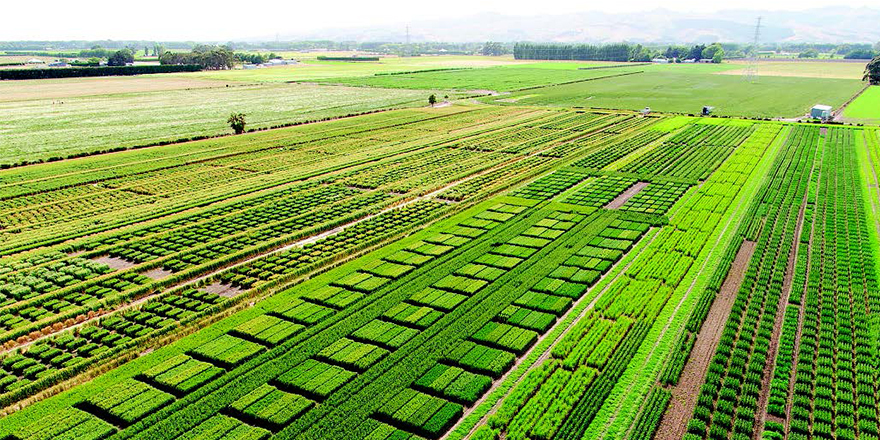 |
| New Zealand Agriculture |
The Way Forward for Iban Youth
The time is now for we to take charge of their future. By combining the rich heritage of NCR lands with modern technology and practices, they can lead the way in sustainable farming. However, this journey requires collaboration between the Iban community, private sector, and government.
Let us call upon the Sarawak government to enhance its support for rural Iban farmers, ensuring that they have the tools, resources, and infrastructure needed to succeed. Together, we can transform NCR land into a beacon of progress, fostering prosperity for Iban communities and contributing to Malaysia’s food security.


No comments:
Post a Comment