 |
| Picture Source |
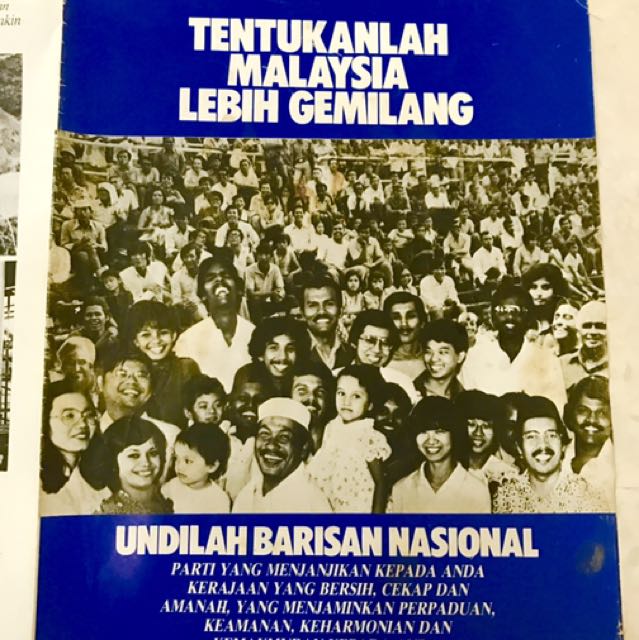
UMNO, the United Malays National Organization, was once a towering presence in Malaysia’s political arena. Established in 1946, it was instrumental in leading Malaysia to independence and shaping the nation’s identity. For decades, UMNO represented the pride of the Malay community, advocating for their rights while forming the backbone of the Barisan Nasional coalition alongside the Malaysian Chinese Association (MCA) and the Malaysian Indian Congress (MIC). Together, these race-based parties dominated Malaysia’s political landscape.
Yet, in recent years, UMNO has experienced a dramatic decline. From losing its grip on power in the 2018 general election to facing internal rifts and corruption scandals, the party that once symbolized unity and progress is now grappling with rejection and irrelevance.
From Pride to Rejection
Why has UMNO, once the proud vanguard of the Malay community, fallen so far? Several factors contribute to this decline:
1. Corruption Scandals:
UMNO’s association with high-profile corruption cases, such as the 1MDB scandal, severely eroded public trust. Leaders once seen as champions of the people became symbols of greed and misuse of power.
2. Disconnect with the Grassroots:
Over time, UMNO’s leadership appeared increasingly out of touch with the struggles of everyday Malaysians. Policies often seemed more focused on preserving elite interests than addressing bread-and-butter issues like education, employment, and cost of living.
3. Changing Demographics and Values:
Malaysia’s younger, more urbanized population is less aligned with race-based politics. Millennials and Gen Z voters prioritize governance, transparency, and inclusivity over racial or communal agendas.
4. Internal Divisions:
Factionalism within UMNO has weakened its ability to present a united front. Competing interests and leadership struggles further alienated its supporters.
Parallels with MIC and MCA
The decline of UMNO mirrors the trajectories of its coalition partners, MIC and MCA. Both parties, representing the Indian and Chinese communities respectively, have seen their relevance wane for similar reasons:
Failure to Evolve: These parties struggled to modernize their platforms and address the aspirations of their communities in a rapidly changing Malaysia.
Perception of Subservience: MCA and MIC were often perceived as playing subordinate roles to UMNO, leading to disenchantment among their voter bases.
As a result, race-based parties, once seen as pillars of Malaysian politics, now struggle to gain traction in a more diverse and politically aware electorate.
Are Race-Based Parties Still Relevant?
The fall of UMNO, MIC, and MCA raises an important question: Is there still room for race-based parties in Malaysia’s political landscape?
1. Relevance in a Multiracial Malaysia:
Malaysia’s strength lies in its diversity. Modern voters increasingly reject parties that cater exclusively to one ethnic group, favoring those that advocate for all Malaysians. Parties like PKR and DAP have gained traction for their multiracial platforms, appealing to a broader demographic.
2. Governance Issues Over Identity:
The declining support for race-based parties does not necessarily indicate a lack of love for one’s race or community. Instead, voters are often disillusioned by governance issues, corruption scandals, and a failure to address pressing socio-economic concerns. This shift reflects a demand for accountability and transparency, which are increasingly prioritized over ethnic representation.
3. The Case for Reform:
If race-based parties are to remain relevant, they must adapt. This could mean broadening their platforms to address issues that transcend racial lines—economic reform, climate action, and governance—while retaining cultural advocacy.
4. The Shift Towards Issues-Based Politics:
The rise of issue-based politics suggests that voters are more concerned with policies than identity. Transparency, education reform, and equitable economic policies resonate more than race-centric agendas.
Lessons for GPS Sarawak
The decline of UMNO, MIC, and MCA offers valuable lessons for GPS Sarawak. As a dominant coalition in Sarawak, GPS leaders must remain vigilant to avoid a similar fate. Here are key areas GPS should focus on:
1. Avoid Corruption and Abuse of Power:
Transparency and accountability are critical. GPS leaders must maintain the trust of the people by ensuring that public funds are used effectively and free from corruption.
2. Stay Connected to the Grassroots:
GPS must continuously engage with Sarawakians, especially in rural areas, addressing their real concerns such as infrastructure, healthcare, and education.
3. Adapt to Changing Demographics:
With younger, urban voters becoming a significant portion of the electorate, GPS should embrace platforms that appeal to this demographic, such as environmental policies, digital economy initiatives, and social inclusivity.
4. Champion Multiracial Unity:
While advocating for Sarawak’s autonomy and local rights, GPS must also ensure that its policies and messages promote harmony among Sarawak’s diverse communities.
5. Promote Strong Leadership Succession:
Ensuring a seamless transition of power and nurturing future leaders will keep GPS adaptable and relevant over the long term.
6. Focus on Issue-Based Politics:
Prioritize governance, sustainable development, and economic equity over rhetoric or identity-based agendas.
By addressing these areas, GPS can sustain its relevance and continue to lead Sarawak effectively while avoiding the pitfalls that led to the decline of other dominant parties.
Moving Forward
The fall of UMNO, MIC, and MCA is a reflection of Malaysia’s evolving political landscape. As the nation progresses, race-based politics may give way to platforms that emphasize unity, governance, and inclusivity.
For Malaysia to thrive, its political parties must embrace change. They must connect with a younger, more informed electorate, addressing issues that matter to all Malaysians. The question remains: Will the old guard adapt to this new reality, or will they be consigned to history as relics of a bygone era?


No comments:
Post a Comment